
Best Sustainable Fabrics for Sensitive Skin
Table of Contents
- Why Fabric Choice Matters for Sensitive Skin
- Bamboo Viscose vs Cotton for Sensitive Skin
- Bamboo Fabric for Eczema: Properties and Benefits
- Other Sustainable Fabrics That Support Sensitive Skin
- How to Choose Fabric for Sensitive Skin: A Practical Guide
- Sustainability Without Compromise: Processing and Impact
- Real Customer Experiences with Bamboo for Sensitive Skin
- Conclusion
- Frequently Asked Questions
Last Updated: October 25, 2026
Why Fabric Choice Matters for Sensitive Skin
Skin irritation, inflammation, and discomfort often come down to what touches your body most, which is why the best sustainable fabrics for sensitive skin matter. At Big Boy Bamboo, we help men find clothing that feels as good as it looks.

The difference between a fabric that irritates and one that soothes comes down to fiber structure, processing methods, and how the fabric interacts with your skin over time. Natural fibers like organic cotton, bamboo viscose, and silk breathe differently, absorb moisture more efficiently, and create less friction against delicate skin.
Many "premium" fabrics marketed as hypoallergenic still contain chemical residues from processing. Sustainable options eliminate harsh chemicals, pesticides, and synthetic finishes that trigger irritation, so the clothing is genuinely gentler, not just labeled that way.
Bamboo Viscose vs Cotton for Sensitive Skin
When you're comparing fabrics for sensitive skin, bamboo viscose and organic cotton dominate the conversation. Both are natural, both can be sustainable, but they work differently on your skin.
How Bamboo Viscose Reduces Irritation
Bamboo viscose stands out for its ultra-smooth fiber structure. Unlike cotton's slightly textured surface, bamboo fibers are naturally cylindrical and slippery, meaning less friction, less irritation, and less chance of triggering eczema flares.
Processing matters too. Bamboo viscose is made through a closed-loop process that recycles solvents and minimizes chemical waste, leaving fewer residual chemicals on the finished fabric.
Bamboo viscose also wicks moisture faster than cotton, reducing the damp environment where bacteria and irritation thrive, a real difference for eczema or sweat-triggered sensitivity.
Research on bamboo viscose and skin health from textile science journals shows that the smooth surface of bamboo fibers reduces friction-related irritation compared to conventional fabrics. The fabric also regulates body temperature more effectively, keeping skin cooler and drier throughout the day.
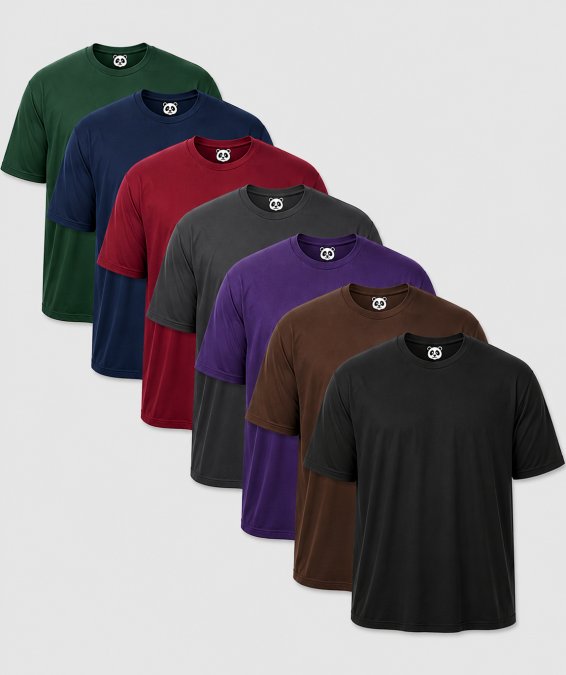
Big Boy Bamboo's crew neck and v-neck bamboo viscose t-shirts use a 70% organic bamboo viscose and 30% organic cotton blend, combining bamboo's smoothness and moisture-wicking with organic cotton's durability and structure.

Organic Cotton for Sensitive Skin
Organic cotton eliminates the pesticides and synthetic fertilizers used in conventional farming, which matters because residual traces can linger on fabric and irritate sensitive skin. It also skips harsh chemical bleaching and dyes.
The catch: organic cotton still has a slightly textured surface. It's breathable and natural but doesn't match bamboo's smoothness, so for severe eczema or extreme sensory sensitivities it works best as a blend component paired with smoother fibers like bamboo or silk.
Bamboo Fabric for Eczema: Properties and Benefits
Bamboo fabric for eczema works on multiple levels: the smooth fiber reduces mechanical irritation, moisture-wicking keeps skin dry, and bamboo's mild antibacterial qualities create an environment where eczema is less likely to flare.
Friction, heat, sweat buildup, and chemical irritants trigger eczema flares, and bamboo addresses all four by gliding across skin, regulating temperature, pulling moisture away, and avoiding harsh chemical residue.
Breathability matters for eczema sufferers, since eczema-prone skin struggles in hot, humid environments where sweat sits on the surface. Bamboo's natural moisture absorption keeps skin drier, reducing the conditions that trigger itching and inflammation.
Other Sustainable Fabrics That Support Sensitive Skin
Beyond bamboo and organic cotton, several other sustainable fabrics deserve consideration for sensitive skin.
TENCEL, Lyocell, and Modal
TENCEL and lyocell are essentially the same thing, both made from wood pulp using a closed-loop solvent process that recycles chemicals and minimizes environmental impact. Modal is similar but made from beech wood.
All three share bamboo viscose's smooth fiber structure and moisture-wicking properties, and are equally gentle on sensitive skin.
These fabrics are sustainable because the process is efficient and the raw materials renewable: wood pulp from sustainably managed forests, a closed-loop process with minimal chemical waste, and a hypoallergenic finished fabric.
Silk and Linen Options
Silk is the smoothest natural fiber available, hypoallergenic and creating almost zero friction against skin. The catch: it's delicate, expensive, requires careful washing, and doesn't wick moisture as effectively as bamboo or cotton.
Linen is breathable and sustainable, but its rough, textured surface can irritate sensitive skin.
Merino Wool: Fine Fiber for Comfort
Merino wool from fine-fiber sheep is surprisingly gentle on sensitive skin. Its fibers are much thinner than standard wool, reducing the itchiness that makes regular wool unwearable, and it's naturally temperature-regulating and moisture-wicking.
Fabric |
Best For Sensitive Skin |
Moisture-Wicking |
Durability |
Cost |
|---|---|---|---|---|
Bamboo Viscose |
Excellent |
High |
Good |
Moderate |
Organic Cotton |
Good |
Moderate |
Excellent |
Moderate |
TENCEL/Lyocell |
Excellent |
High |
Fair |
Higher |
Silk |
Excellent |
Low |
Fair |
High |
Linen |
Fair |
High |
Excellent |
Moderate |
Merino Wool |
Good |
High |
Good |
Higher |
How to Choose Fabric for Sensitive Skin: A Practical Guide
Choosing the right fabric comes down to understanding your specific triggers and testing carefully.
Big Men's Crew Neck Bamboo Viscose T-Shirts - Oversized for a relaxed →
Testing New Fabrics Safely
When you find a fabric that seems right for your sensitive skin, test it carefully. Wear it for a few hours first.
Pay attention to specific triggers: does the fabric feel rough, cause itching, react with sweat buildup, or leave skin hot and irritated after a few hours? Each signal tells you whether the fabric is right for you.
Big Boy Bamboo's 100% satisfaction guarantee and 100% money-back guarantee let you test our bamboo viscose shirts without financial risk. If the fabric doesn't work for your sensitive skin, you can return it.
Sustainability Without Compromise: Processing and Impact
The most important distinction in sustainable fabrics isn't the fiber, it's the processing. Two shirts made from the same bamboo can be dramatically different based on how the fabric was created.
The environmental difference matters: conventional processing generates chemical waste, while sustainable processing recycles solvents and minimizes waste, adding up to dramatically less impact per shirt produced.
Choosing sustainable fabrics for sensitive skin means protecting your skin and the planet at once, goals that align perfectly with bamboo viscose.
Real Customer Experiences with Bamboo for Sensitive Skin
The real test of any fabric is how it performs for actual people with sensitive skin. Big Boy Bamboo customers with eczema, sensory sensitivities, and skin conditions consistently report that our bamboo viscose shirts make a noticeable difference.
People with sensitive skin find bamboo viscose noticeably gentler than alternatives, because its smooth texture, moisture-wicking, and clean processing work with sensitive skin instead of against it.
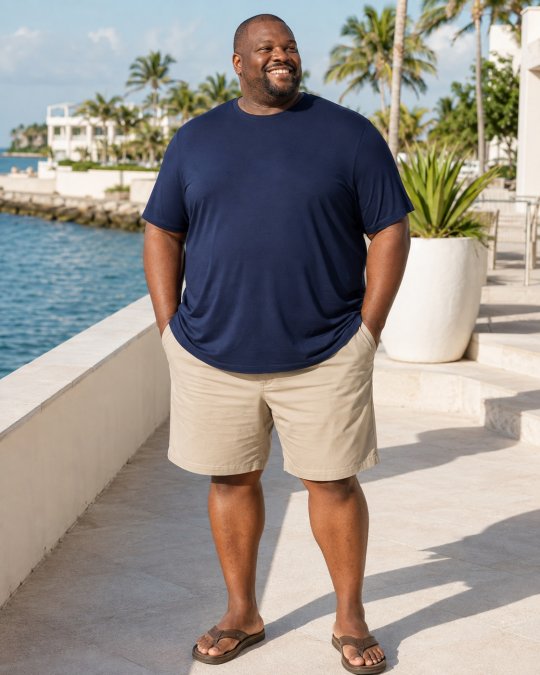
Our crew neck and v-neck bamboo viscose t-shirts are available in sizes 2XL through 8XL for big men, and 1XLT through 4XLT for tall men. The generous cut means no binding or friction from tight seams, another factor that matters for sensitive skin.
Conclusion
The best sustainable fabrics for sensitive skin share four properties: smooth fiber structure, excellent moisture-wicking, clean processing, and natural hypoallergenic qualities. Bamboo viscose leads because it combines all four. Organic cotton works well as a blend component, TENCEL and lyocell offer similar benefits at higher cost, silk is the smoothest option for severe sensitivities, and Merino wool works for layering and cooler weather.
When your skin is sensitive, fabric choice is the foundation of daily comfort. Big Boy Bamboo's bamboo viscose t-shirts are designed for this challenge: our 70% organic bamboo viscose and 30% organic cotton blend delivers the softness and moisture-wicking sensitive skin needs, with the durability that makes a shirt wearable. Start with one shirt, backed by our 100% satisfaction and 100% money-back guarantee.
Frequently Asked Questions
Is bamboo fabric good for sensitive skin?
Yes. Bamboo viscose is hypoallergenic, naturally smooth, and lacks the harsh chemical residues found in conventional cotton. It's moisture-wicking, breathable, and gentle against skin. Many people with eczema or contact sensitivities report fewer irritation episodes when wearing bamboo. The fabric's low friction and softness reduce physical irritation, while its natural properties help manage moisture and temperature.
What is the best fabric for sensitive skin?
The best fabric depends on your specific triggers, but bamboo viscose and organic cotton rank highest for sensitive skin. Bamboo offers exceptional softness and moisture-wicking; organic cotton avoids pesticide residues. Test each fabric on a small area first to identify your personal best choice.
Which is better for eczema, bamboo or cotton?
Bamboo viscose generally outperforms conventional cotton for eczema-prone skin because it has lower friction, better moisture management, and no pesticide residues. Organic cotton is better than conventional cotton but still slightly coarser than bamboo. Bamboo's breathability makes it a stronger choice for eczema flare-up prevention. However, individual responses vary, so testing both is wise.
