
Common Fit Issues With Big & Tall: Solutions
Table of Contents
- Common Fit Issues With Big & Tall Clothing
- How Should a Big and Tall Shirt Fit
- Shirt Fit Problems: Button Strain, Pulling, and Riding Up
- How to Measure for Big and Tall Clothes
- Big and Tall Shirt Size Chart: Finding Your Right Fit
- Fabric, Fit, and Lasting Comfort
- Frequently Asked Questions
Last Updated: October 17, 2026
Common Fit Issues With Big & Tall Clothing
Finding clothes that fit properly is one of the biggest challenges big and tall men face, and common fit issues big tall men encounter go far beyond just grabbing a larger size. At Big Boy Bamboo, we've spent years helping customers solve the most frustrating fit problems, from shirts that ride up to sleeves that fall short to buttons straining across the chest.

Common fit issues big tall men encounter go beyond just grabbing a larger size. The problem isn't that bigger clothes don't exist. It's that most brands scale everything up proportionally, which leaves gaps in exactly the places where big and tall bodies need the most support.
This guide covers the fit problems you're likely experiencing and how to fix them, from what proper fit looks like to how to measure yourself and which features make the real difference.
Why Standard Sizing Doesn't Work for Bigger Frames
Most clothing brands start with a standard template and simply enlarge it. A 2XL from a regular brand isn't designed for bigger bodies, it's just a scaled-up medium.
That fails because bigger men don't just need more fabric everywhere. The relationship between chest width, shoulder breadth, sleeve length, and torso length differs from average-sized men.
That's where specialized big and tall sizing comes in. Brands that actually design for bigger bodies adjust multiple measurements at once:
- Chest room increases more than arm length
- Shoulder width expands to match broader builds
- Torso length adds extra inches where you need them
- Sleeve length accounts for longer arms
- Overall garment proportions stay flattering instead of boxy
When you wear clothing designed for your build, you notice immediately. Shirts stay tucked. Sleeves reach your wrists. Buttons don't pull.
How Should a Big and Tall Shirt Fit
A well-fitting big and tall shirt should feel comfortable the moment you put it on, with no constant adjusting or worry about gaps and pulling.
Here's what proper fit actually looks like across your whole body:
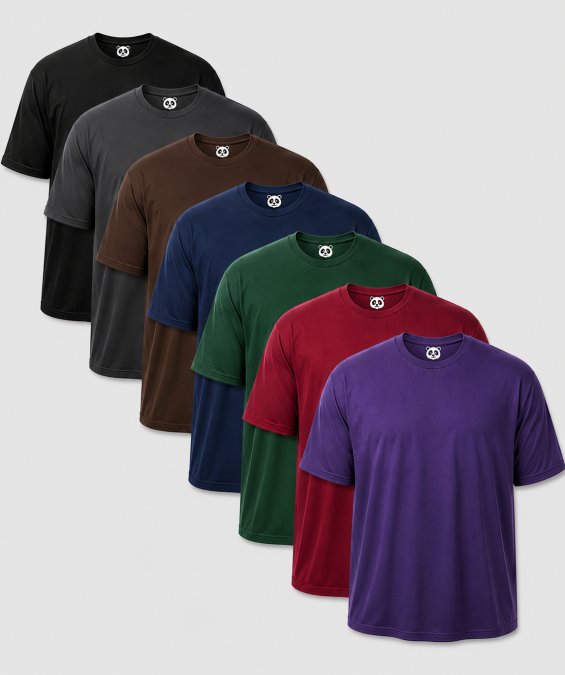
Chest and Shoulder Room
Your chest should have enough room to move freely without the fabric pulling tight.
Shoulder fit matters more than most people realize. The seam where the sleeve attaches should sit right at the edge of your shoulder, not bunching inward and not sliding off the back.
Many big and tall men complain about shirts feeling tight through the midsection because regular-sized shirts don't account for the natural width of a bigger torso.
Sleeve Length and Cuff Fit
Sleeves should reach your wrist bone when your arms hang at your sides. If they stop halfway up your forearm, the shirt is too short and looks unfinished.
The cuff should sit comfortably around your wrist without pinching or sliding up.
Regular brands don't make sleeves long enough, which is why specialized big and tall sizing adds extra length proportionally for longer arms.
Torso and Shirt Tail Length
The shirt tail should reach your hip bone when you're standing with your arms down.
A 3XL from a standard brand often has the same torso length as a regular XL, just wider, so you get extra width but not the extra length you need.
Big and tall sizing adds length proportionally. Tall-specific options add even more, typically 4-6 inches extra compared to regular cuts.

Shirt Fit Problems: Button Strain, Pulling, and Riding Up
These three problems account for most of the fit complaints we hear, and each has a specific cause and fix.
Button Strain Across the Chest
Button strain happens when too much tension pulls the buttons apart, creating small gaps where the fabric is stretched tight. Sometimes buttons pop off.
This occurs when the shirt's chest width doesn't match your actual chest width. The buttons are positioned for a narrower body, so they're pulling against your frame instead of lying flat.
The fix is straightforward: wear a shirt actually cut for your chest size.
Fabric Pulling at the Shoulders
Pulling at the shoulders usually means the shoulder seam is too narrow.
When you reach forward or across your body, the pulling worsens and the fabric bunches and restricts movement.
The solution is a shirt with a wider shoulder width. Big and tall sizing addresses this by placing the shoulder seam further out, matching the actual width of a bigger frame.
Shirts Riding Up and Exposing Your Waist
Riding up is usually a length problem, not a width problem. The shirt's torso isn't long enough to stay tucked or cover your waist when you move.
Every time you sit, bend over, or reach up, a short shirt rides up and you're constantly pulling it back down.
Tall-specific sizing solves this. These shirts add 4-6 inches of length compared to regular cuts.
| Fit Problem | Main Cause | Solution |
|---|---|---|
| Button strain | Chest too narrow for your frame | Wear generously cut big and tall sizing |
| Shoulder pulling | Shoulder seam positioned too narrow | Choose shirts with wider shoulder width |
| Riding up | Torso length too short | Select tall-specific sizing (4-6 inches longer) |
How to Measure for Big and Tall Clothes
Proper measurement is the foundation of finding clothes that fit. You need accurate numbers to compare your body to the brand's garment measurements.
Taking Your Body Measurements
Measure yourself in light clothing with a soft measuring tape, not a rigid ruler.
Here are the measurements that matter most:
Big Men's Crew Neck Bamboo Viscose T-Shirts - Oversized for a relaxed →
Chest: Measure around the fullest part of your chest, keeping the tape parallel to the ground.
Waist: Measure around your natural waist, typically where your belly button sits, to check midsection room.
Shoulder width: Have someone measure across your shoulders from shoulder bone to shoulder bone.
Torso length: Measure from your shoulder bone down to your hip bone to determine whether a shirt stays tucked.
Write these numbers down. You'll use them to compare against the garment measurements the brand provides.
Comparing Garment Measurements to Your Fit Needs
Every reputable big and tall brand provides detailed garment measurements showing the actual width, length, and sleeve length of each shirt.
Compare your body measurements to the garment measurements. Here's what to look for:
- Chest room: The garment chest should be 2-3 inches larger than your actual chest measurement. This gives you the comfort room you need.
- Sleeve length: The garment sleeve should match your sleeve measurement, or be no more than half an inch shorter or longer.
- Torso length: The garment length should match your torso measurement or be slightly longer. Longer is always better than shorter.
- Shoulder width: The garment shoulder should match your shoulder measurement as closely as possible.
If a garment's measurements don't align with your body, it won't fit right, no matter what size it's labeled. That's why comparing actual measurements beats guessing based on size numbers.
Big and Tall Shirt Size Chart: Finding Your Right Fit
Size charts are your roadmap to finding clothes that actually work for your body.
Regular vs. Tall Sizing Options
Regular big and tall sizing works well if you're proportionally bigger but not significantly taller than average. These sizes add width and some length, but less than tall-specific options.
Tall sizing adds 4-6 inches of length compared to regular cuts. If you're 6'2" or taller, tall sizing is usually the better choice.
Here's the practical difference:
- Regular 3XL: Wider than standard sizing, slightly longer than standard sizing
- Tall 2XLT: Similar width to regular 3XL, but 4-6 inches longer in the torso and sleeves
Many big and tall men find they need a regular size in width but a tall size in length. That's exactly what tall sizing is designed for.
Why Generously Cut Shirts Make a Difference
Generously cut means the shirt has extra room built in from the design stage.
This changes how the shirt feels and performs. There's no pulling, no bunching, and no constant need to adjust. The shirt drapes naturally and moves with your body instead of against it.
Big Boy Bamboo shirts are generously cut specifically for big and tall men. The crew neck and pocket crew neck styles add extra room where you need it most.

Fabric, Fit, and Lasting Comfort
The material your shirt is made from affects how it fits and how long it stays comfortable.
How Bamboo Viscose Affects Fit and Feel
Bamboo viscose is softer than standard cotton and has a silky feel against your skin.
This matters for fit because the fabric drapes better. Instead of clinging or bunching, bamboo viscose flows naturally with your body.
Bamboo viscose also tends to be lighter than cotton, so it doesn't add bulk. This is especially important for bigger frames, you want comfort without extra weight or restriction.
The fabric is also naturally moisture-wicking, which means it pulls sweat away from your skin.
Durability and Care to Maintain Your Fit
Proper care keeps your shirt fitting well for years. Bamboo viscose is durable when you treat it right.
Wash in cool water and dry on low heat. High heat can damage the fabric and cause shrinkage (Optimizing washing conditions for smart fabrics: a comprehensive study).
Avoid fabric softener, which can coat the fibers and reduce breathability. Regular detergent works fine.
Store your shirts on hangers instead of folding them. This prevents creasing and keeps the garment's shape intact.
Finding clothes that fit properly shouldn't be a constant struggle. Our generously cut shirts stay in place, move with you, and keep you cool all day long. Start with our Big Men's Crew Neck Bamboo Viscose T-Shirts and experience the comfort of clothing actually made for your frame.
Frequently Asked Questions
What are common fit issues with big and tall clothing?
Big and tall men often face button strain across the chest, sleeves that feel too short, shirts riding up to expose the waist, and fabric pulling at the shoulders. These problems happen because standard sizing scales up length and width equally, ignoring the unique proportions of bigger frames. Choosing shirts designed specifically for big and tall builds, with extra room in the chest, shoulders, and midsection, solves most of these issues.
How should a big and tall shirt fit around the chest and shoulders?
A proper fit means the shirt drapes naturally without pulling or bunching at the buttons. You should have at least two fingers of space between the fabric and your body when you button it up. The shoulder seam should sit at the edge of your shoulder, not pinch or hang too far down your arm. There should be enough room to move your arms freely without the fabric tugging back toward your torso. Generously cut bamboo viscose shirts provide this comfort while maintaining a flattering silhouette.
How do I know if a big and tall shirt is the right size before buying?
Compare your body measurements to the garment measurements listed on the size chart, not the label size alone. Measure your chest at the fullest point, your shoulder width, and your torso length from shoulder to hip. Then check the product's actual dimensions for that size. Big Boy Bamboo shirts are cut generously for bigger frames, so if you're between sizes, the smaller size often works better. Always check the fit guide to avoid ordering a size that's too roomy.
Why do big and tall shirts often ride up or pull at the buttons?
Riding up happens when the shirt isn't long enough for your torso, or when it's cut too narrow through the midsection. Button strain occurs when there isn't enough room across the chest. These fit problems are common in scaled-up regular shirts that don't account for how bigger frames actually sit and move. Shirts designed specifically for big and tall men add extra length and width where needed most, so they stay in place during movement and don't pull at stress points.
