
Are "Expensive" Bamboo Shirts Worth It? Why Cost Per Wear Is More Important Than the Price You Paid
Table of Contents
- Price Versus Value: Why a Cheaper Shirt Can Cost More
- The Cost Per Wear Formula, Explained With Examples
- Bamboo Viscose vs Cotton Durability: What Actually Holds Up
- How to Care for Bamboo Viscose Shirts So They Last
- Five Durability Checks Before You Decide a Bamboo Shirt Is Worth It
- Fit, Sizing, and Comfort: The Value Expensive Bamboo Shirts Add for Big and Tall Men
- Conclusion: When “Expensive” Bamboo Shirts Are Worth It
- Frequently Asked Questions
Last Updated: October 3, 2026
The price of a T-shirt is not what it costs to own. Value depends on how often you wear it, how long it remains comfortable and presentable, and how often you have to replace it.
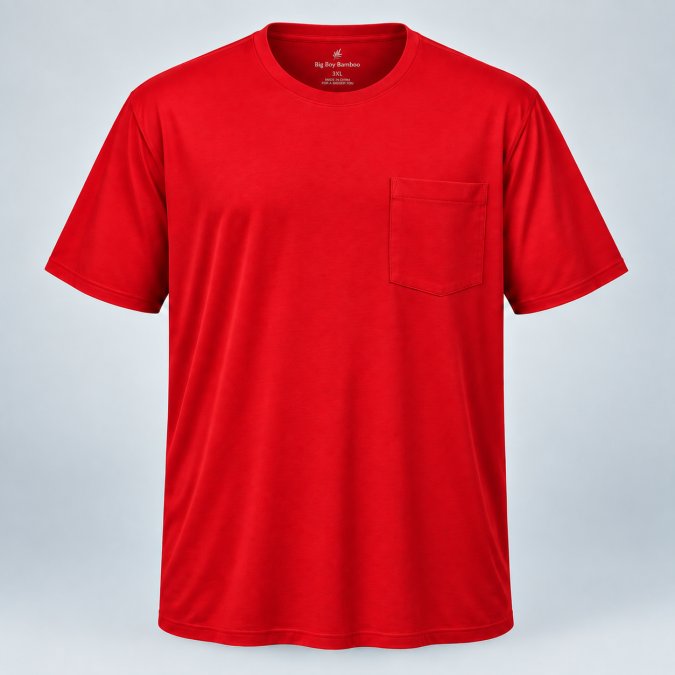
Price Versus Value: Why a Cheaper Shirt Can Cost More
A bamboo shirt often carries a higher price tag than a basic cotton tee, and that gap is the first thing most shoppers notice. But asking whether “expensive” bamboo shirts are worth it misses the real question. Purchase price is a one-time number. Value is what you get across every wear. This guide from Big Boy Bamboo walks through the math, the durability factors, and the fit details that decide whether a premium bamboo tee earns its keep.
Cheap shirts fail in quiet ways. They lose their shape after a few washes. The collar stretches. The fabric pills or stiffens. You keep the shirt in the drawer but stop reaching for it. That shirt was never a bargain; it just hid its cost in a shorter useful life.
Cost per wear is the clearest way to compare two shirts fairly. It is the purchase price divided by the number of times you actually wear the garment. A shirt you wear twice a week for a year costs far less per wear than a cheaper one you wear five times and then retire.
That single formula reframes the whole decision. A low sticker price on a shirt you rarely wear can cost more per outing than a higher-priced shirt you reach for constantly.
MoneyHelper guidance on budgeting for value over time
The Cost Per Wear Formula, Explained With Examples
The cost per wear formula is simple: purchase price ÷ number of wears = cost per wear. The number that matters is not what you paid, but what each wearing actually costs you.
Here is the framework in plain terms:
- Purchase price: what you pay at checkout.
- Number of wears: how many times you realistically wear the shirt before it stops being presentable.
- Cost per wear: the price divided by those wears. Lower is better.
The trick is honesty about "number of wears." A shirt you avoid because it clings, rides up, or feels scratchy gets worn a handful of times. A shirt that fits well and stays comfortable gets worn for years.
A Worked Example You Can Copy
These are illustrative examples, not claims about any specific product's lifespan.
Shirt |
Price |
Times Worn |
Cost Per Wear |
|---|---|---|---|
Inexpensive cotton tee |
$12 |
15 |
$0.80 |
Mid-range tee |
$25 |
60 |
$0.42 |
Premium bamboo tee |
$43 |
150 |
$0.29 |
The premium shirt costs more upfront but wins on cost per wear if you wear it often enough. Run the same math with your own numbers before you decide a bamboo shirt is too expensive.
Bamboo Viscose vs Cotton Durability: What Actually Holds Up
Bamboo viscose and cotton wear differently, and that difference shapes long-term value. Cotton is a durable, well-understood fabric. Bamboo viscose is softer and more breathable, but it needs gentler care to hold its shape and finish.
Neither fabric is automatically superior. What matters is how the shirt is made and how you treat it.
- Cotton tends to resist abrasion well but can stiffen, shrink, or fade over time.
- Bamboo viscose stays soft and drapes naturally, but heat and harsh detergent break down the fibers faster.
- Blends like organic bamboo viscose and organic cotton aim to combine softness with structure.
The durability question is not "which fabric lasts forever." It is "which shirt still looks and feels good after a year of real use." A shirt that survives but feels rough or shapeless has not really lasted.
Textile Exchange materials overview
How to Care for Bamboo Viscose Shirts So They Last
Caring for bamboo viscose shirts comes down to three habits: wash cold, skip harsh detergent, and dry gently. Get those right and the fabric keeps its softness and shape far longer.
A practical routine:
Big Men's Crew Neck Bamboo Viscose →
- Machine wash cold on a gentle cycle.
- Use a mild, eco-friendly detergent. Skip bleach and fabric softener.
- Hang dry when you can. If you tumble dry, use low heat only.
- Wash with similar colors to limit friction and pilling.
- Fold rather than hang heavier knits to avoid stretching the shoulders.
The care label guidance from the FTC is a good reminder that following the manufacturer's instructions protects both the garment and your money.
How to Wash & Care for Your New Bamboo Clothing →
Five Durability Checks Before You Decide a Bamboo Shirt Is Worth It
Run five checks before you decide a bamboo shirt earns its price. These separate a shirt that lasts from one that just survives.
- Shape retention: Does it still drape well after washing, or has it stretched out?
- Neckline: Does the collar lie flat, or has it gone wavy and loose (this is sometimes called “bacon neck”)?
- Fabric feel: Is it still soft, or has it stiffened and pilled?
- Seams and stitching: Are the hems and side seams intact, with no fraying?
- Presentation: Would you still wear it to work or out to dinner?
That last check is the one people skip. A shirt can technically exist in your closet for years while you quietly stop wearing it. The real test is whether you still want to put it on.
Fit, Sizing, and Comfort: The Value Expensive Bamboo Shirts Add for Big and Tall Men
For big and tall men, fit is where value is won or lost. A shirt that fits well gets worn constantly. A shirt that pulls at the shoulders or rides up gets pushed to the back of the drawer, and its cost per wear climbs.
This is the gap Big Boy Bamboo was built to close. The brand makes bamboo viscose T-shirts sized from 2XL to 8XL and 1XLT to 4XLT, cut generously through the chest, shoulders, and midsection rather than simply scaled up from smaller patterns. Tall crew necks run four to six inches longer, so they stay tucked and covered whether you are reaching, stretching, or sitting.
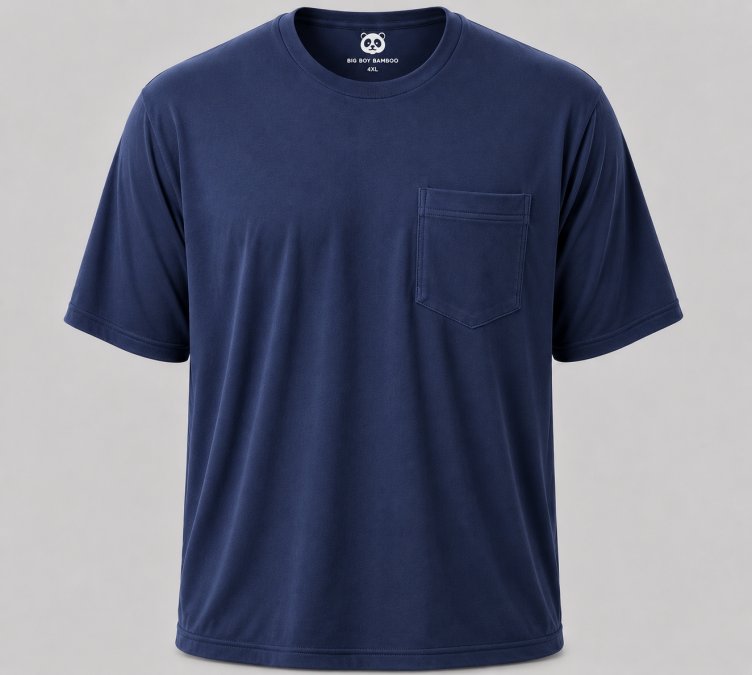
Big Men's Pocket Crew Neck Bamboo Viscose T-Shirts - Cut oversized for a relaxed, flattering fit
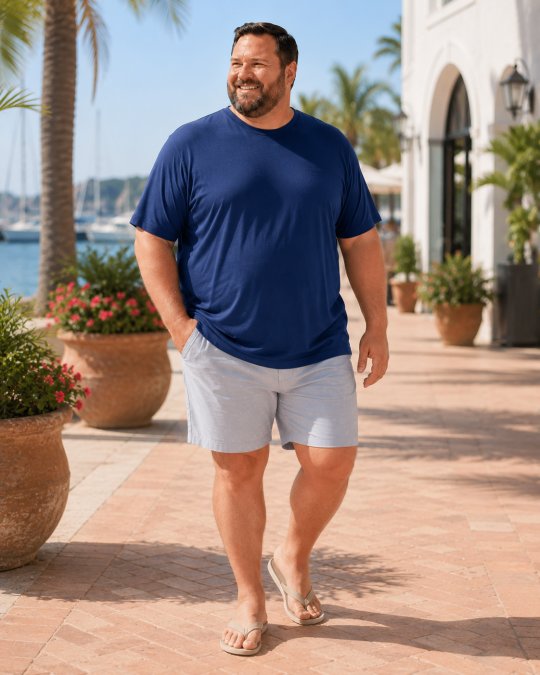
The comfort details reinforce the value case. The ultra-soft bamboo viscose material is soft against sensitive skin, breathable, and keeps you cool all day long, and the shirts ship in plastic-free packaging. A shirt you actually enjoy wearing is a shirt you wear often, and frequent wear is what drives cost per wear down.
Conclusion: When “Expensive” Bamboo Shirts Are Worth It
“Expensive” bamboo shirts are worth it when you wear them often enough that the cost per wear drops below the cheaper alternative. That comes down to three things: fit, durability, and how well you care for the fabric.
If a shirt fits your frame, holds its shape, and stays comfortable wash after wash, the higher price is spread across hundreds of wears. If it does not, no discount is low enough to save it.
Big Boy Bamboo builds for the first outcome.
Frequently Asked Questions
What is the difference between initial price and cost per wear?
Initial price is what you pay at checkout. Cost per wear is that price divided by the number of times you actually wear the shirt. A $10 tee worn five times costs $2 per wear. A $43 bamboo shirt worn 80 times costs about $0.54 per wear. The second shirt costs more upfront but far less each time you put it on. That gap is why bamboo shirts can be worth it even when the price tag looks higher.
Why do bamboo shirts often cost more than cotton?
Bamboo viscose takes more processing to turn fiber into soft, wearable fabric, and the raw material costs more than conventional cotton. Bamboo also grows quickly and needs less water, which is part of why brands committed to sustainable production charge more. For big and tall sizing, extra fabric and dedicated pattern grading add cost too. You are paying for fabric quality, a fit built for larger frames, and a shirt that holds up longer.
How many times should a quality T-shirt be worn before replacement?
There is no fixed number, because wear depends on fit, fabric, and how you wash it. A useful test: count wears until the shirt stops looking presentable, not until it falls apart. If the neckline stays flat, the fabric stays soft, and the fit holds after dozens of washes, you are getting real value. Once a shirt only gets worn for chores or sleep, its cost per wear has effectively stopped improving.
Does bamboo viscose shrink or stiffen after washing?
Bamboo viscose can shrink or stiffen IF WASHED IN HOT WATER OR DRIED ON HIGH HEAT. Wash cold with a gentle detergent, skip fabric softener, and hang dry when you can. Tumble dry low is acceptable if you prefer it. Treated this way, the fabric keeps the softness that made it worth buying. Harsh heat is what breaks down the fibers and shortens the shirt's useful life.
How do you determine if a T-shirt is durable?
Check five things: does it keep its shape after washing, does the neckline stay flat, does the fabric stay comfortable, do the seams hold, and does it still look presentable. A shirt that technically exists but gets pushed to the back of the drawer has failed the durability test. Judge durability by how long you actually want to wear it, not by how long it survives in a closet.
The honest challenge with any premium tee is proving it earns its place in your drawer. Big Boy Bamboo answers that with sizing built for big and tall frames, ultra-soft bamboo viscose that stays comfortable, and plastic-free shipping backed by a 100% satisfaction guarantee. Get started with Big Boy Bamboo and build a wardrobe where every shirt pulls its weight.
