
How to Layer Clothing for Temperature Control
Last Updated: October 30, 2026
Quick Summary
Layer clothing in three parts: a breathable base layer that moves sweat off your skin, a mid layer such as fleece or a knit sweater for insulation, and a windproof or water-resistant outer shell. Adjust by venting or removing the outer layer first when you warm up, and add layers back in reverse order when you slow down or stop.
- Base layers should move moisture away from skin, so avoid cotton when you are active.
- The mid layer provides insulation, and its thickness depends on how cold it is outside.
- The outer layer blocks wind, rain and snow so the warm air trapped by your mid layer stays in.
- Vent or remove layers at the first sign of warmth, before you start sweating.
- Wind adds roughly one layer of perceived cold, so add a windproof shell when wind is forecast.
Table of Contents
- Why Layering Works Better Than One Heavy Coat
- Base Layer vs Mid Layer vs Outer Layer: What Each One Does
- Best Fabrics for Base Layers
- How to Dress in Layers Without Overheating
- Layering by Temperature: A Practical Starting Point
- Winter Layering Mistakes That Undo Your Warmth
- Adjusting Your Layers Between Indoors and Outdoors
- Building Your Layering Setup Around Breathable Bamboo Tees
- Frequently Asked Questions
Layering clothing for temperature control gives you more warmth, more flexibility and more comfort than any single heavy coat. Big Boy Bamboo makes bamboo viscose tees for larger frames, and they can serve as the base of a layered outfit.
Layering clothing works because trapped air is what keeps you warm, and you can add or remove air-holding layers as conditions change. One thick coat gives you only one setting. A set of thinner layers lets you dial your warmth up or down.
Why Layering Works Better Than One Heavy Coat
A single heavy coat traps a lot of heat, which is great when you are standing still and terrible when you start moving. Sweat builds up, and then the cold makes that sweat feel even colder.
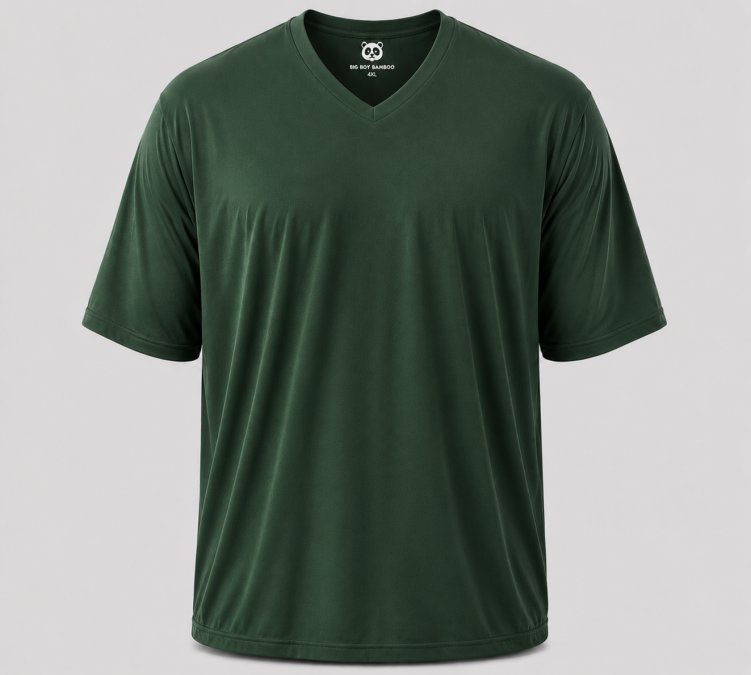
Layers solve this problem in three ways:
- You can shed a layer when you warm up during a walk or errand
- You can add a layer when the wind picks up or the sun goes down
- Moisture moves away from your skin when each layer does its job
Think of layering as a system you adjust as the day goes on.
Base Layer vs Mid Layer vs Outer Layer: What Each One Does
Most layering setups use three layers, and each one has a clear role.
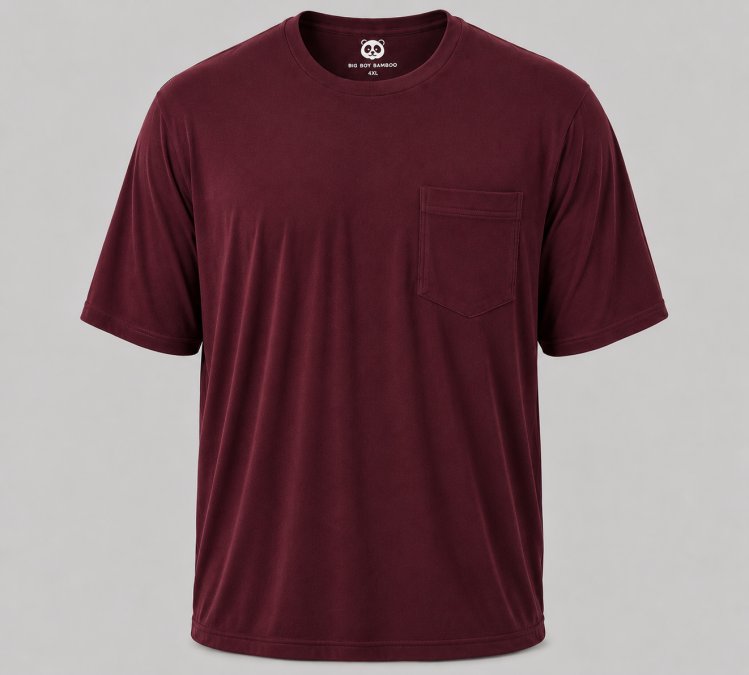
Base layer: This sits against your skin. A breathable bamboo viscose tee like the Big Men's Crew Neck Bamboo Viscose T-Shirts - Oversized for a relaxed flattering fit is one option here, since it is soft and cut with room through the chest and midsection.

Mid layer: This is your insulation. Fleece, a knit sweater or a light down piece all trap warm air. Choose this layer based on how cold it is outside.
Outer layer: This protects you from wind, rain and snow. A windproof or water-resistant shell keeps the warm air your mid layer has trapped from escaping.
You do not always need all three. On a mild day, a base layer and a light outer layer may be enough.
Best Fabrics for Base Layers
The fabric you wear against your skin has a big effect on comfort. Cotton holds moisture, which can feel uncomfortable when you are active or sweating.
Bamboo viscose is a common option for daily wear. Big Boy Bamboo's tees are made from ultra-soft bamboo viscose and are described as breathable. If you want a base layer that also works as a standalone shirt, the Breathable Undershirts for Large Men: 2026 Guide explains what to look for in a breathable undershirt designed for larger body types.
Things to check before you buy:
- Breathability: does air move through the fabric easily?
- Moisture handling: does sweat move away from your skin?
- Fit: does the base layer stay in place under your other layers?
How to Dress in Layers Without Overheating
Overheating is the most common layering failure, and it usually happens in a predictable sequence: you start comfortable, you begin moving, your body produces more heat than your layers can vent, sweat builds up, and then you chill the moment you stop. The fix is not a warmer or cooler outfit, it is a real-time adjustment habit.
The vent-remove-add sequence
Treat your layers as a dial you turn in small steps, not a switch you flip once.
Step 1, Vent before you remove. Open your outer layer at the front, unzip pit zips if your shell has them, and loosen cuffs.
Step 3, Remove the mid layer only as a last resort. On genuinely hard exertion in cool weather, you may need to drop to your base layer.
Step 4, Re-add in reverse order. When you slow down or stop, add the mid layer first, then the shell.
Big Men's Crew Neck Bamboo Viscose T-Shirts - Oversized for a relaxed →
Timing rules that prevent the sweat-then-chill cycle
- Adjust at the first sign of warmth, not the first sign of sweat. A slightly warm feeling is your cue to vent. Once you are sweating, you are already behind.
- Anticipate transitions. Before a long climb, a fast walk, or a stretch of heavy carrying, remove a layer preemptively. Before a rest stop or a descent, add one back.
- Keep your shell accessible. A jacket buried in a bag will not get used. Wear it, tie it around your waist, or keep it in an outer pocket.
- Do not overdress for the start. If you are toasty standing still, you will overheat within minutes of moving. Start slightly cool.
Why the base layer does the heavy lifting
No amount of venting fixes a base layer that holds sweat against your skin. Cotton is the classic offender, it absorbs moisture and then conducts heat away from your body, which is why it feels cold and clammy once damp. A base layer that moves moisture, such as a breathable bamboo viscose tee, keeps the layer next to your skin drier, so venting and removing outer layers actually works. The Moisture Wicking Shirts for Big Guys: 2026 Guide covers what to look for in a base layer that handles sweat during activity.
A worked example
Imagine a 10°C morning with a brisk 30-minute walk to a meeting. You start in a base layer, a fleece mid layer, and a windproof shell. Two minutes in, you feel warm, you unzip the shell. Five minutes in, you are still warm, you take the shell off and carry it. Ten minutes in, you are moving hard and the fleece is too much, you take it off and carry it. You arrive slightly cool but dry.
Layering by Temperature: A Practical Starting Point
The right setup depends on air temperature, wind, humidity and how much you will move. Use the table below as a starting point, then apply the adjustment rules that follow. The numbers are guidelines, not rules, most people run a little warm or a little cold and should shift one band in that direction.
| Temperature | Base Layer | Mid Layer | Outer Layer |
|---|---|---|---|
| Hot (above 25°C / 77°F) | Lightweight breathable tee | None | None, or a packable shell for wind and rain |
| Warm (18 to 25°C / 65 to 77°F) | Breathable tee | None | Light shell only if windy or wet |
| Mild (15 to 18°C / 59 to 65°F) | Breathable tee | Optional light layer | Usually not needed |
| Cool (5 to 15°C / 40 to 59°F) | Breathable tee | Light sweater or fleece | Light windproof jacket |
| Cold (-5 to 5°C / 23 to 40°F) | Breathable tee | Fleece or knit | Insulated, windproof shell |
| Very cold (below -5°C / 23°F) | Breathable or thermal base | Fleece plus a light insulating layer | Insulated, windproof and waterproof shell |
The three adjustments that matter more than the table
1. Wind adds roughly one layer of perceived cold. A 15°C day with a steady 30 km/h wind feels closer to 8°C on exposed skin.
2. Humidity and wet conditions reduce insulation efficiency. Damp air and rain pull heat from the body faster than dry cold.
3. Exertion shifts you down one to two bands. A person walking briskly generates several times the metabolic heat of someone standing still.
A quick decision sequence
Before you leave, run through this in order:
- Check the actual temperature and the wind chill or "feels like" number, not just the raw reading
- Ask how hard you will move in the first 20 minutes, that determines your starting layer count
- Add a windproof or waterproof shell if wind or precipitation is in the forecast
- Carry, do not wear, the layer you expect to need once you stop moving
These bands are starting points. Track how you feel at each temperature over a few outings and build your own personal offset, most people settle within one band of the table after two or three tries.
Winter Layering Mistakes That Undo Your Warmth
Even people who know the basics make a few common errors.
- Wearing cotton as your base layer. Cotton holds sweat and then chills you
- Layers that are too tight. Compressed layers trap less air, so they insulate less
- Skipping the outer layer. Wind strips warmth fast, even when your inner layers are thick
- Keeping every layer on indoors. You will overheat, then sweat, then feel cold when you go back outside
- Washing layers in ways that damage them. Hot water and high heat can shrink fabric and break down fibers, which reduces both fit and performance
Good care keeps layers working. Follow the care label, wash in cool water where possible and air dry when you can.
Adjusting Your Layers Between Indoors and Outdoors
Moving between a heated building and cold air is where many people get caught out. A layering system that works outdoors can leave you sweating inside within minutes.
Before you walk into a warm place, loosen or remove your outer layer. Keep your base layer on, since it handles moisture and keeps you comfortable in both environments.
Keep your outer layer easy to reach. A jacket you can unzip or slip off quickly makes these transitions much easier.
Building Your Layering Setup Around Breathable Bamboo Tees
A good layering setup starts with a comfortable base. Bamboo viscose tees are soft and breathable, and they can be worn under other layers.
For a tall frame, the Tall Men's Crew Neck Bamboo Viscose T-Shirts - 4 Inches Longer are 4 inches longer than regular t-shirts. Combine a base layer like this with a mid layer and an outer shell suited to your local temperatures, and you have a flexible system that handles most conditions.

Start simple, learn how your body responds to different conditions, and adjust your layers as you go. Over time you will find the combination that keeps you comfortable in changing weather.
Frequently Asked Questions
What is the 3-3-3 rule for outfits?
The 3-3-3 rule is a simple way to build an outfit by combining three items or pieces of a specific type. It is a styling heuristic rather than a temperature guideline, so it does not tell you how many layers to wear for a given temperature. For temperature control, focus on the base, mid, and outer layer system: a breathable base layer that moves moisture away from skin, an insulating mid layer you can add or remove, and a wind or water resistant outer layer when conditions demand it.
How can I layer clothes without overheating?
Start with fewer layers than you think you need, because you will warm up as you move. Choose breathable fabrics for the base layer, such as bamboo viscose, which wicks moisture away from skin. Keep the mid layer easy to remove, and unzip or open the outer layer during exertion. Check your body temperature by feel: if your back or chest feels damp, shed a layer before you start sweating heavily.
Which fabrics work best for a base layer?
Base layers should be breathable and moisture-managing. Bamboo viscose is soft and breathable and can be worn for everyday wear and under dress shirts. Wool and synthetic fabrics are also common choices for cold-weather base layers. Avoid heavy cotton next to skin during activity, because it holds moisture and can leave you cold once you stop moving.
How do I layer clothing for cold weather?
Combine three layers. The base layer sits against skin and manages moisture. The mid layer adds insulation and can be a fleece or knit sweater. The outer layer blocks wind and rain. Fit each layer loosely enough that air can be trapped between them, since that trapped air provides warmth. Adjust by adding or removing a single layer rather than changing everything at once.

