
How to Choose Comfortable Clothing for Sensory Issues
Last Updated: November 14, 2026
Quick Summary
Comfortable clothing for sensory issues is chosen by identifying your personal triggers, such as touch, pressure, temperature or movement, then selecting soft, breathable fabrics with flat seams, tagless designs and fit that leaves room through the chest and midsection. Start with base layers, since they touch the skin most.
- Keep a one-week wear log noting the garment, where discomfort starts, and what else was happening.
- Test one variable at a time, such as removing a tag, to find the true source of irritation.
- Sort discomfort into touch, pressure, temperature, or sound and movement, since each needs a different fix.
- Choose flat-seam or seamless construction and tagless designs to remove common sources of irritation.
- Re-check new garments after their first wash, since a shirt that passes on day one can fail later.
Table of Contents
- What Sensory-Friendly Clothing Means for Adults
- Finding Your Personal Clothing Triggers
- Soft Fabrics That Feel Comfortable Against the Skin
- Seamless Construction, Tagless Designs and Flat Seams
- Fit, Pressure and Room to Move for Big and Tall Men
- Caring for Soft Clothing So It Stays Comfortable
- Building a Comfortable Wardrobe Step by Step
- Frequently Asked Questions
What Sensory-Friendly Clothing Means for Adults
Sensory-friendly clothing is comfortable clothing chosen to reduce the physical discomfort that touch, pressure and texture can cause. For many adults with sensory sensitivities, a shirt can be unbearable because of a stiff seam, a scratchy label or a waistband that feels too tight.
Men's Big & Tall Clothing makes bamboo viscose T-shirts for men from 2XL to 8XL. Many men with sensory sensitivities look for tag-free, ultra-soft fabric, and standard sizing can leave them with fabric that clings, bunches or rubs.
Sensory needs vary widely. Some people react most to touch, others to pressure, seams or the feel of a fabric against the neck and wrists. Clothing for sensory issues is not one product category. It is a way of choosing fabric, construction and fit around your own triggers.
Finding Your Personal Clothing Triggers
Most guides tell you to buy soft, tagless clothing. Fewer explain how to work out which specific features set you off, and that is the step that actually decides whether a purchase works. A structured trigger audit turns a vague feeling of "this shirt is annoying" into a short list of features you can check before you buy.
Step 1: Run a one-week wear log
Wear your normal clothes and record four things each time discomfort appears:
- The garment, its fabric and its construction (seams, tags, ribbing, closures)
- Where on the body the discomfort starts (neck, underarms, waistband, cuffs, shoulder seams)
- How soon it becomes hard to ignore (seconds, minutes, hours)
- What else was happening (heat, cold, sitting, stress, tiredness)
A common pattern is that the same garment feels fine in a cool room and unbearable after an hour in a warm one, which points to heat and moisture rather than the fabric itself. Review the log over two to three weeks, not a single day, because sensitivity shifts with stress, temperature and fatigue.
Step 2: Isolate one variable at a time
Once you have candidates, test them the way a careful shopper would. Wear the suspect garment for a short, controlled period and change only one thing per test: tuck versus untuck, a base layer underneath versus none, a tag removed versus left in. If removing the tag fixes it, the problem is the tag; if it does not, the seam or the fabric is the culprit. This is the same logic behind the flat-seam and tagless recommendations you will see everywhere, but applied to your own body rather than taken on faith.
Step 3: Separate the four sensory channels
Clothing discomfort is not only touch. Sort your notes into four buckets, because each has a different fix:
- Touch and texture: scratchy wool, stiff seams, printed labels, pilling.
- Pressure and fit: tight waistbands, ribbed cuffs, cling through the chest or midsection, bunching when you sit.
- Temperature and moisture: fabric that traps heat, non-breathable synthetics, dampness after exertion.
- Sound and movement: swishy fabrics, rustling linings, garments that ride up or twist when you reach.
Naming the channel tells you what to change. A pressure problem is solved by fit and cut; a texture problem is solved by fabric and seam construction; a temperature problem is solved by breathability and layering.
Step 4: Build a personal pass/fail checklist
Turn your findings into a short list you carry to the store or keep open while shopping online. For example: "no sewn-in neck tags, flat shoulder seams, no ribbed collar, room through the chest, breathable knit." A checklist of five to eight items is enough to filter most garments quickly and stops you from re-testing the same failures.
Watch out: a garment that passes on day one can fail after a wash, so re-check new items after their first laundering before you commit to buying more of them.
Soft Fabrics That Feel Comfortable Against the Skin
Fabric is usually the first place to start. Soft, breathable materials tend to cause less irritation than stiff or coarse weaves. Bamboo viscose, which Big Boy Bamboo uses in its shirts, is a smooth fabric. Cotton, modal and jersey knits are other common choices, and each feels different, so it helps to compare them.
Our Crew Neck Bamboo T-Shirts are one example. If you want a fuller comparison of bamboo versus cotton for irritation-prone skin, read why bamboo fabric is better for sensitive skin. If you want a closer comparison of bamboo, cotton and other sustainable fabrics for irritation-prone skin, our guides on why bamboo fabric is better for sensitive skin and the best sustainable fabrics for sensitive skin cover the differences in detail.
A quick comparison of common fabrics:
| Fabric | Feel | Breathability | Best for |
|---|---|---|---|
| Bamboo viscose | Silky, smooth | High | Everyday wear, warm weather |
| Organic cotton | Soft, slightly textured | High | Casual wear, easy care |
| Modal | Very smooth, drapes well | Medium-high | Layering, close-fitting pieces |
| Jersey knit | Stretchy, flexible | Medium | Comfortable fit with movement |
Fabric choice is personal. A material that feels luxurious to one person can still irritate another, so test a fabric with a short wear before committing to a full wardrobe.
Seamless Construction, Tagless Designs and Flat Seams
Construction often matters as much as fabric. Thick or raised seams can rub, and printed care labels can itch for anyone sensitive to touch. Look for flat-seam or seamless construction and tagless designs, which remove the two most common sources of irritation.
Several things to check when you shop:
- Flat seams that lie against the body rather than ridging
- Tagless necklines or printed labels instead of sewn-in tags
- Soft neck bands rather than stiff ribbing
- Minimal decorative stitching at the shoulders and underarms
Online, product photos rarely show these details clearly. Read the listing carefully and, where possible, check reviews from customers who mention the same sensitivity you have. You can also learn how to buy tagless bamboo t-shirts online in a Big & Tall fit. Customer reviews are available on the Big Boy Bamboo reviews page.
Fit, Pressure and Room to Move for Big and Tall Men
Fit plays a major role in comfort. Clothing that is too tight creates pressure at the chest, shoulders and waist, which can feel overwhelming for someone with sensory sensitivities. Clothing that is too loose can bunch and tug, which is just as distracting.
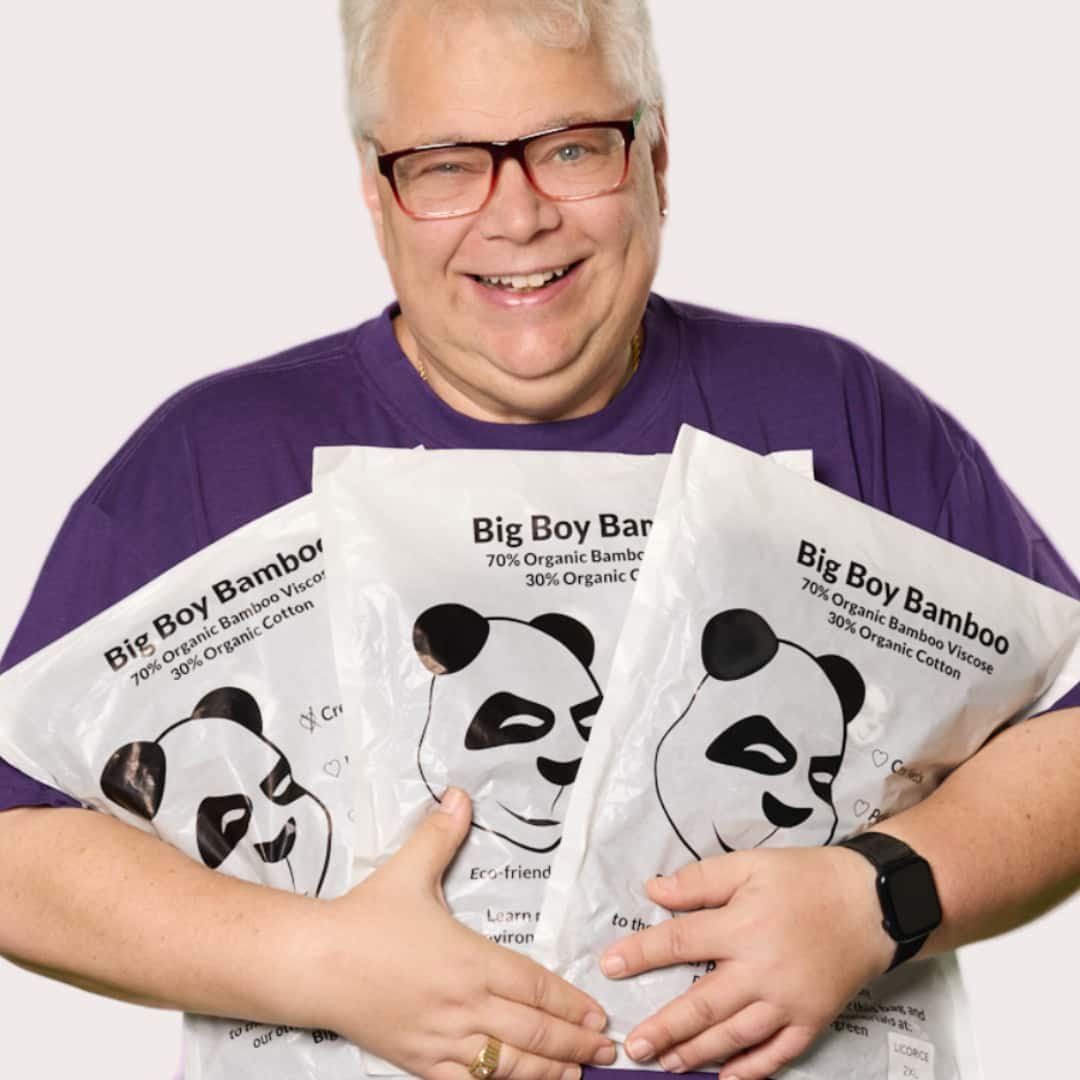
For big and tall men, this is a particular challenge. Standard tees are often boxy, cling through the midsection or ride up. Our shirts are generously cut with extra room through the chest, shoulders and midsection. You can browse crew neck bamboo t-shirts in Big & Tall sizes to find a staple style.
Before buying, compare a favorite shirt you already own with the garment measurements listed on the product page. Note the chest, shoulder and length figures, and choose the size that matches your comfort rather than the label alone.
Caring for Soft Clothing So It Stays Comfortable
Soft clothing can lose its comfort quickly if it is washed or dried carelessly. Fabric that stiffens, pills or loses its stretch can become irritating, even if it felt fine when new.
To keep clothing comfortable over time:
- Wash inside out on a gentle cycle to reduce friction and pilling.
- Use a mild detergent and skip fabric softener if it leaves a residue you dislike.
- Air dry where possible, since high heat can stiffen fibers and shrink knits.
- Store garments folded rather than tightly packed, so seams keep their shape.
If a shirt starts to feel stiff or rough after many washes, that change is worth noting in your trigger log, since it can signal that the garment is no longer working for you.
Building a Comfortable Wardrobe Step by Step
You do not need to replace your entire closet, and you do not need a specialist budget to make a real difference. A gradual approach that starts with the garments touching your skin and fixes the worst offenders first is both cheaper and easier to manage.
Start with the base layer
Undershirts and everyday tees sit against the skin the most, so they deliver the biggest comfort gain per item. Get these right before you spend on outer layers, and use your trigger checklist to pick fabrics and construction you have already tested.
Fix before you buy
Many uncomfortable garments can be salvaged with a few low-cost alterations:
- Cut out sewn-in tags flush with the seam, or cover the remaining stub with a soft fabric patch.
- Turn scratchy seams outward or cover them with a thin, smooth base layer underneath.
- Replace stiff elastic waistbands with soft, covered elastic, or loosen a tight band with a tailor.
- Remove decorative stitching, patches or stiff collars that rub at the neck and shoulders.
- Wash stiff new garments a few times with a mild detergent to soften the hand-feel before deciding they are unwearable.
A tailor can also take in a too-loose garment so it stops bunching, or let out a tight one so it stops pressing, often for far less than a new specialist piece.
Replace the worst offenders first
Use your trigger log to rank garments by how often they cause trouble, and replace the top two or three rather than buying a whole new wardrobe. A small set of reliable colors and styles mixes and matches more easily than many mismatched items, and it makes the comfortable pieces the ones you reach for by default.
Shop online with a return plan
Online shopping carries the most risk, so reduce it before you click buy:
- Check the fabric composition and construction details in the listing, not just the photos.
- Read reviews that mention sensitivity, seams or tags specifically.
- Confirm the return window and whether worn or washed items can be returned.
- Test each new garment at home for a short wear before removing tags or laundering it.
Add layers and seasonal pieces gradually
Once your base layers feel right, add shirts and outer pieces that suit your comfort needs. For hot weather, favor breathable knits and lighter colors; for cold weather, choose soft mid-layers you can remove rather than one heavy, stiff outer piece. Extend the same checklist to workwear and formal occasions, where structured fabrics and stiff collars are the usual trouble spots.
Comfortable clothing for sensory issues comes down to knowing your triggers, choosing soft and well-constructed fabrics, fixing what you already own, and getting the fit right. Start with one or two pieces, test them in your own daily routine, and build from there.
Frequently Asked Questions
What clothing is best for sensory issues?
The best clothing for sensory issues is usually soft, breathable and stretchy, with flat seams, no scratchy tags and closures that do not press into the skin. Many people find knit fabrics such as bamboo viscose blends more comfortable than stiff woven cotton. Because sensitivities vary, the most reliable approach is to test a few garments and note which textures, seams and fits cause irritation. Start with your everyday basics, such as undershirts and tees, since you wear them most often and benefit most from getting them right.
What fabrics are most comfortable for sensory-sensitive people?
Soft knit fabrics are often the most comfortable for sensory-sensitive people. Bamboo viscose and organic cotton blends are smooth and breathable. Jersey knits with a little stretch avoid the pressure that stiff fabrics can create. Avoid heavy wool, rough denim and fabrics with visible textured prints against the skin if these bother you. Check the fabric composition on the label before buying so you know what you are wearing.
How can men find comfortable clothing for sensory issues?
Start by checking the fit as well as the fabric. Big and tall shirts that are cut with extra room through the chest, shoulders and midsection avoid the clinging and tightness that cause discomfort. Look for tagless designs and flat seams, and compare a favourite shirt's measurements with the size chart before ordering. Buying a few pieces in one fabric and washing them several times is a practical way to confirm they stay soft. Return policies matter when shopping online, so read them before you buy.

